Showing posts with label heart health. Show all posts

Friday, August 22, 2014

The Dietitian Is In: Olives


When we meet someone for the first time and share what we do, it often seems to open the gateway to a game of 20 questions. “What do you think about the Paleo diet?” “It’s a good thing to give up gluten, right?” “Is a banana bad for me?” “So, do you always eat healthy?” When we’re asked these kinds of questions, we’re happy to answer them. We feel grateful that people feel comfortable enough to ask. Here's a recent question we were asked...and here's the answer!


Question: Are olives healthy, even though they are high in sodium?


Answer: Although olives seem to get most of their attention for their heart-healthy oil, olives by themselves offer important health benefits. Whether they’re Greek-style black olives, Spanish-style green olives, Kalamata, French, or Californian, olives are a plant food rich in phytonutrients that exhibit anti-inflammatory and antioxidant properties. Two particular phytonutrients found in olives— hydroxytyosol and oleuropein—appear to reduce oxidative stress, and help prevent cancer and cardiovascular disease. The heart-protective benefits of olives may also be due to their high monounsaturated fatty acid content, a type of fat well-touted for its ability to improve cholesterol levels. Additionally, olives are a good source of fiber, iron, copper, and vitamin E. Despite these substantial benefits, some varieties of olives do pack in a significant amount of sodium. One large black olive contains 32 - 72 milligrams of sodium, depending on the size and preserving technique. To help offset the naturally bitter taste of fresh-picked olives, many undergo brine curing (submersion in a salt solution) for several months. Because the olives are preserved in the solution and absorb the sodium content, rinsing them prior to eating will do little to lessen the sodium. However, you can reap the benefits of olives without overloading on sodium by letting olives provide the central flavoring—no additional salt is needed—in pastas, sandwiches, dips and spreads.


—McKenzie Hall, RD

This Q & A was written by McKenzie for the April 2014 issue of Environmental Nutrition.

Wednesday, February 12, 2014

Apple Hearts for (food) Lovers


It’s fairly safe to say that Lisa and I seem to have a love affair with red foods. We’ve professed our love for tomatoes, strawberries, raspberries, beets, pomegranates, tart cherries and cranberries. Yet, another very important food (that I actually eat almost every single day) falls into this color category: apples.  In fact, we’re partnering with the US Apple Association tomorrow at 4pm PST for a fun Twitter chat where we’ll be dishing out some health facts and tips about the benefits of eating apples.


And there are a lot of benefits in eating an apple a day.


Every time you bite into an apple, you’re giving your body a healthy dose of nutrition. One medium apple is only 95 calories but provides 17 percent of your daily recommended intake for dietary fiber and 14 percent of your recommended intake for vitamin C. Not only that, there are tons of studies backing up the health benefits of apples including cancer prevention, improved heart health, and even the ability to help keep your weight at a happy place. But, since it is National Heart Month, we do feel our tickers deserve a little bit of extra attention.


Lisa touched on impressive study earlier this week, but there is even more research backing up the heart protective qualities of apples. Researchers at the University of California-Davis have reported that daily consumption of apples and apple juice may help reduce the damage caused by the “bad” type of cholesterol and protect against heart disease. And an additional study in the American Journal of Clinical Nutrition in 2005 reported that that for every 10 grams of fiber consumed per day the risk of developing heart disease may decrease 14 percent, and the risk of dying from heart disease may decrease 27 percent.


This is some very good news for apples, and the other red foods we love, considering they’re such wonderful sources of fiber.  And don’t even get us started on our love of fiber. 
So today, in recognition of Valentine’s Day -- which is just around the corner! -- celebrate by showing yourself and your heart some love with these cute Apple Hearts.


This adorable snack is the perfect thing to add to your child’s, friend’s, spouse’s, or your own (I’m doing this!) lunchbox this week.

The best part? It’s so easy to do. 

As our favorite culinary guru, Julia Child once said:
You don't have to cook fancy or complicated masterpieces – just good food from fresh ingredients.”


So choose a type of apple you really love. Because we know an apple isn’t just an apple -- Gala, Pink Lady, Granny Smith, Fuji, Honeycrisp, Braeburn, Golden Delicious, Macintosh – the options are far from few.

Find some a delicious aged cheddar cheese.
Or, some chunky almond or peanut butter from your local natural grocery store.

And assemble your apple sandwich. In fact, this is so cute, we really think it may become a weekly tradition.


Enjoy, and be happy that you’re showing your heart some love.


Monday, February 10, 2014

Apple, Fennel, Kale and Roasted Tomato Sprouted Whole Wheat Linguine—For Heart Health

I know what you’re thinking.  Apple? In pasta?   

Hold on just a minute, while I explain.

Think about chicken apple sausage, and the delicious way the savory and sweet marry together so beautifully.  Well, that’s what this dish does, without the meat.  The apple and fennel add sweetness, while the roasted grape tomatoes add a smoky, savory base.  And the kale?  Well, we do love kale.


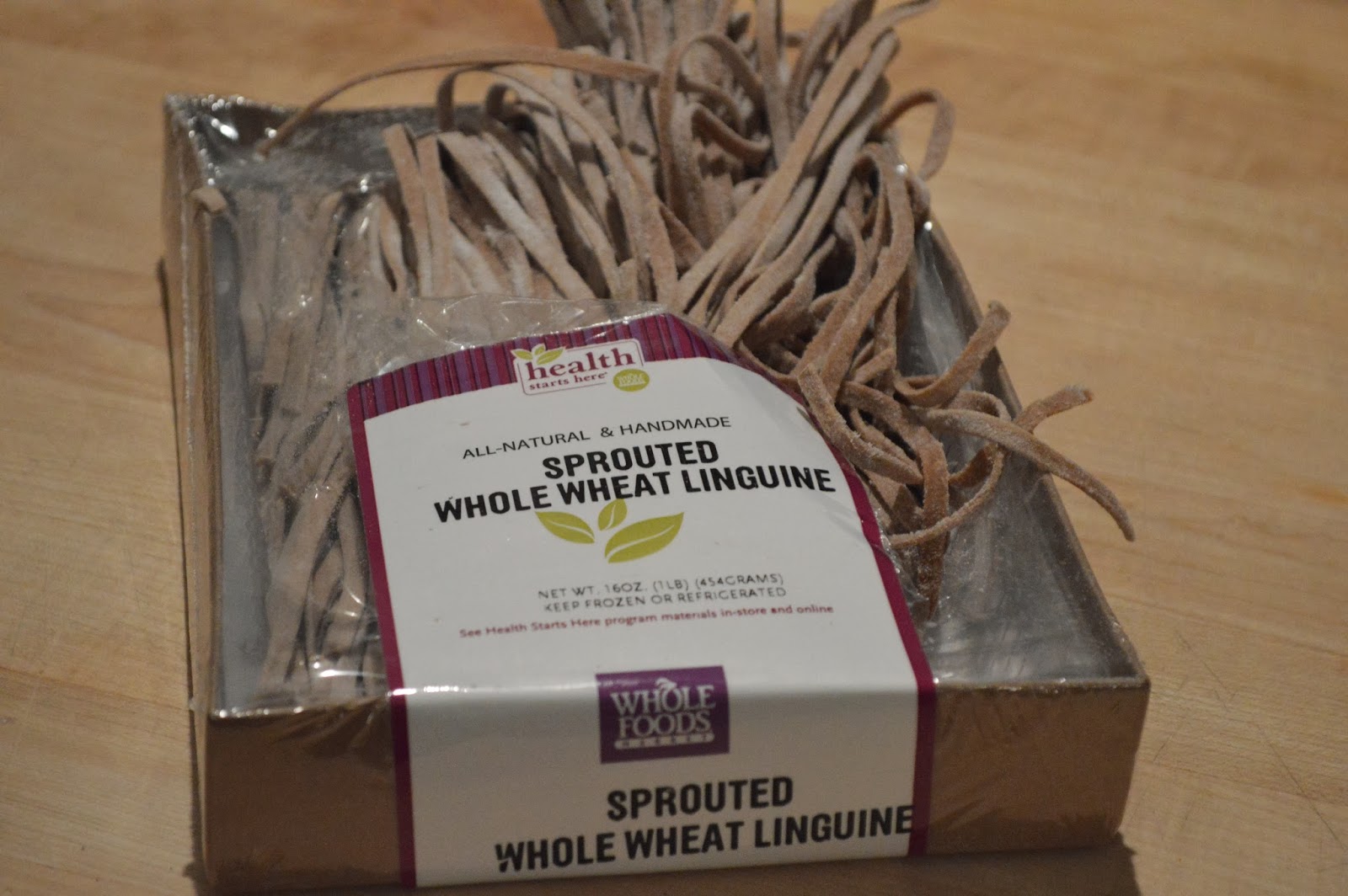
I used a sprouted whole wheat pasta I found at the market, but you could substitute any whole wheat pasta.  It would also be delicious and sausage-like with a little fried sage garnish.  I didn’t have any sage when I made this dish, but that sounds good.


This dish is perfect for your meatless Monday menu, and will satisfy the meatless-skeptics in your household (if you have any).

Even better?  It’s ready in less than 30 minutes, so it’s perfect for a weeknight meal.

And if you need one more reason to make this pasta tonight, do it for your heart.  February is American Heart Month , and that’s as good a reason as any to make sure you’re doing your heart good—focusing on eating lots of vegetables and fruits, getting enough fiber, and eating heart-healthy fats.    

This recipe fits the bill.  And how about this?  New research shows an apple a day truly does keep the doctor away.  In a recent study by Ohio State University of middle-aged adults, eating one apple a day for four weeks lowered levels of oxidized LDL (bad cholesterol) in the blood by 40 percent.  Higher levels of oxidized LDL put you at higher risk for heart disease, so start eating those apples.

Here’s to a healthy heart—and a delicious dinner.


Apple, Fennel, Kale and Roasted Tomato Sprouted Whole Wheat Pasta

Serves 4

1 pint grape or cherry tomatoes
1 tablespoon extra virgin olive oil
1 small fennel bulb, thinly sliced
1 apple, shredded
Pinch of red pepper flakes, to taste
Pinch of sea salt
1 small bunch kale, stemmed and thinly sliced
Splash of white wine, about 2 tablespoons
2 tablespoons freshly grated parmesan cheese
8 ounces sprouted whole wheat linguine (or any whole wheat pasta), cooked according to package directions, in well-salted water
¼ cup of reserved pasta water

Preheat the oven to 425 degrees.

Place the grape tomatoes on a sheet pan and roast, about 20 minutes, or until starting to brown and pop open. 

Heat a large skillet over medium heat.  Add olive oil, fennel, apple, red pepper flakes and salt.  Sauté until the fennel and apple wilt, about 5 minutes.  Add the kale and continue to cook until kale is tender, about 10 minutes. 

Add a splash of white wine to the pan, cooking until the wine is reduced.  Add the tomatoes (and any juices from the pan) to the skillet and stir.  Sprinkle the parmesan cheese over the vegetables and then add the pasta to the pan, along with about ¼ cup of reserved pasta water.  Stir and cook together for about another minute, until all of the pasta is incorporated with the vegetables.

You can sprinkle a little extra parmesan cheese on the top, if you like.


Enjoy, preferably with someone you love.